Style With Purpose: Why What You Wear Impacts Confidence
Share
Ever notice that you feel sometimes different from other days? Not bad, not fatigued, just wrong. Then you glance down and remember those sweatpants from college, and that shirt with a stain from who-knows-what, the one you should probably do some research to figure out how it got there.
Now, ask yourself the last time you wore something that made you strut a bit. Maybe it was a jacket that hugged your form perfectly, or a shoe that made you feel as if you were messily put together. It wasn't a coincidence that you began to carry yourself differently.
The clothes you wear literally alter your passage through the world — and science backs that up, in ways that may surprise you.
The Brain-Clothing Connection Nobody Talks About
Our brains actually process what we're wearing and adjust our behavior accordingly:
- Put on athletic gear → suddenly that workout seems more doable
- Throw on something sharp for work → tasks that felt overwhelming suddenly seem manageable
- Wear pajamas all day → your energy stays in low-power mode
It's not magic. It's psychology meeting fashion in real time.
Take jewelry, for example. Having a lab-created diamond ring on your finger is not only a decoration. It's a daily reminder to commit, achieve, or that I am worth it. Each time you look at your hand, you register it with a micro-moment of attention. These tiny moments add up.
The Comfort Trap We All Fall Into
Here's the thing - there's a difference between clothes that feel good and clothes that make you feel good about yourself.
One is physical comfort. The other is psychological confidence. Both matter, but we often sacrifice the second for the first without realizing the cost.
Rolling out of bed and staying in pajamas all day sounds appealing until you realize you've spent the entire day in low-energy mode. Your body never got the signal that it's time to show up and engage.
The sweet spot? Clothes that deliver both. Comfortable enough that you're not constantly adjusting them, but purposeful enough that they shift your mindset when you put them on.
Messages You Wear (Literally)
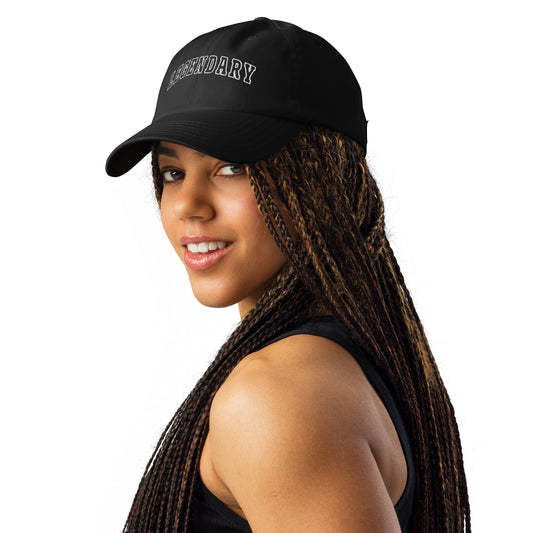
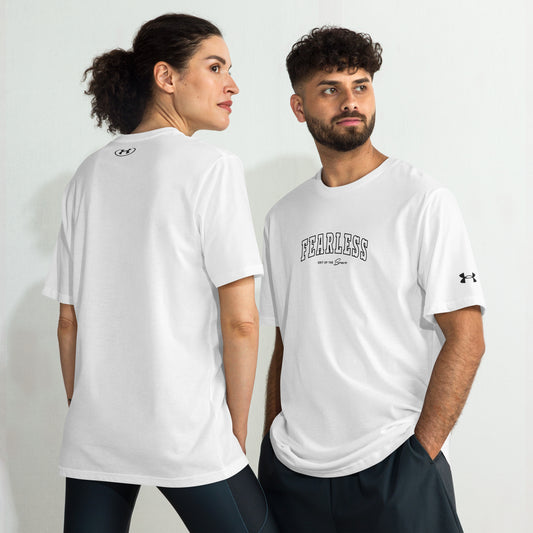
Terms like "Warrior", "Grit", or "Focus" form a phenomenon of environmental priming in psychology. The messages flash in front of your brain all day—mirrors, photos, when you look down—and create a toxic internal narrative.
That is a big reason graphic tees with meaningful messages sell like hot cakes. They're not just fashion statements. They're physical manifestations of who you would like to be.
The Social Confidence Factor
Whether we like it or not, other people respond to our attire, and that response gets fed right back into our confidence loop.
Your brain recognises the approval as a social confirmation, and reinforces your confidence just that little bit more when someone compliments your style. Because when you feel good about yourself, you make more eye contact and smile naturally and openly, and that automatically will cause others to react more positively to you.
It is a feedback loop that begins with what you are wearing.
Not because you are looking for affirmation, but because humans are social creatures and feel each other. Try to feel good. The people around you feel it. When they respond positively, you feel even better. The cycle compounds.
This doesn't mean dressing to impress everyone. It means dressing in ways that make YOU feel confident enough to connect authentically with others.
The Power of Intentional Dressing
Intentional dressing is not the same as formal dressing. It means being deliberate about how you dress and being conscious about how it makes you feel.
For some, clothing with shape and structure helps them focus. Some experience creativity through what they touch and want a soft texture. While some require bold colours to invigorate, others to feel grounded need neutrals.
The important part is that you know what makes your brain tick and what sorts of things you want to accomplish. Here is how choices correlate with confidence:
-
Color Psychology: Dark colors have a way of making people feel more in control and authoritative. The bright colors enhance mood and energy. Neutrals provide calm and control.
-
Fit and Form: Clothes respect, (none are tight, just a better size), add competence. Although they might be comfy, they create less perceived authority for professional environments.
-
Material: Your soft attack and a sign of self-respect and justice. Scratchy or stiff fabrics provide constant low-grade irritation that impacts mood over the long haul.
- Personal Style Aligned: Donning pieces that truly attract you (trends that you actually like [NOT trends that you think you must follow]) creates authentic confidence that others can feel!
Small Changes, Big Shifts
Better clothing choices can have an impact on confidence, but I certainly do not believe that one needs a new complete wardrobe to achieve this. Unexpected outcomes arise from small strategic changes:
Improve One Ordinary Object
A nicer piece of t-shirts, or a watch that you enjoy putting on, or socks that do not keep bunching down on you. An enhancement you engage with daily matters.
Lay Out Clothes the Night Before
This eliminates any decision fatigue in the morning and makes sure you start your day in something deliberate rather than whatever happens to be clean.
Bring a Power Outfit
One look that you always feel confident wearing. Have it handy for special occasions when you need that extra lift.
Get Pieces of Accessories that Matter
A jewelry you choose that carries memories with it; an amazing bag, shoes that get you walking 10 miles with confidence. These become confidence anchors.
Making It Work in Real Life
Theory only works for so long, then practice is needed. How do you actually wear clothes as a way to increase confidence in real life?
Morning meetings – Even when not fully visible due to video calls only needing the top half, wear something that will allow you to feel more articulate and authoritative.
Exercise - Wear stuff that makes you feel like a true athlete, not just what is clean. It genuinely affects performance.
Generating Ideas — For some, comfortable clothing opens up their mind. Some require structure to focus. Know which type you are.
Social gatherings — Wear whatever you feel most yourself in, not what you think is appropriate for the event. Authentic comfort beats appropriate discomfort.
Difficult days - Have go-to items that feel like support. For some, that's a favorite hoodie. For others, it's structured clothing that keeps them sharp.
The Bottom Line
Most people don't realize just how much your outfit matters. Not because fashion matters (which it can be), but because fashion and confidence matter in tandem in tangible, powerful ways.
Your outfit affects:
- Your posture
- Your mood
- Your energy level
- Your willingness to engage with challenges
- How others respond to you
So tomorrow morning, when you are faced with the question of what you want to wear, ask yourself: Is this going to allow me to show up as the person I am choosing to be today?
If your answer is "yes," you're already ahead of the majority. If you answered no, perhaps you should reconsider the contents of your closet — or more importantly, what those choices say about your perception of your own self-worth.