Presence as Protest: The Quiet Power of All-Black Fashion
Share
Fashion today is loud. It thrives on spectacle—runways drenched in neon, feeds flooded with novelty, garments designed to shock rather than endure. In this culture of hypervisibility, clothing often becomes a performance, a costume for attention rather than a language of selfhood. Every season demands reinvention, every drop insists on urgency, every trend accelerates the churn.
But beneath the noise, there is fatigue. A growing dissonance between what fashion demands and what wearers truly seek. Many feel alienated by the endless cycle of disposability, by the insistence that identity must be constantly rebranded. It is here, in the cracks of excess, that silence becomes radical.
2. Enter L’Obscurité
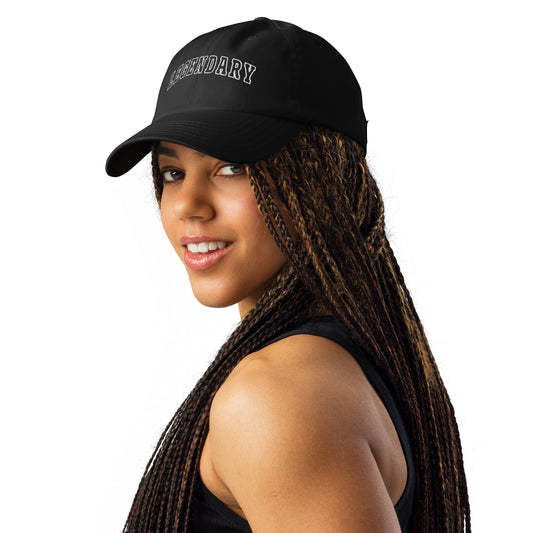
A small London-based label, L’Obscurité, does not shout. It whispers. It speaks in black—only black. Its refusal is deliberate: no colour, no spectacle, no compromise. This is not reactionary minimalism, nor a gimmick of restraint. It is a philosophy.
L’Obscurité emerged not to chase fashion’s excesses but to resist them. It refuses dilution of identity for novelty. It refuses silhouettes distorted for attention. It refuses the churn of seasonal disposability. Instead, it offers a uniform of presence—monochrome, minimalist, emotionally fluent.
3. Black as Essence
To outsiders, black may appear as an absence. But for L’Obscurité, black is essence. It is not void but density. It is not lack but precision. Black absorbs spectacle and returns clarity. It anchors rather than decorates.
Throughout history, black has carried multiple meanings: mourning, rebellion, elegance, anonymity. From monks’ robes to avant-garde couture, black has always been more than colour—it is a statement. L’Obscurité reclaims this lineage, positioning black as a protest against fashion’s demand for visibility.
4. Fashion as Interior Language
What makes L’Obscurité compelling is not only its aesthetic restraint but its reclamation of fashion as interior language. Each garment is designed not to transform the wearer into something else, but to return them to themselves.
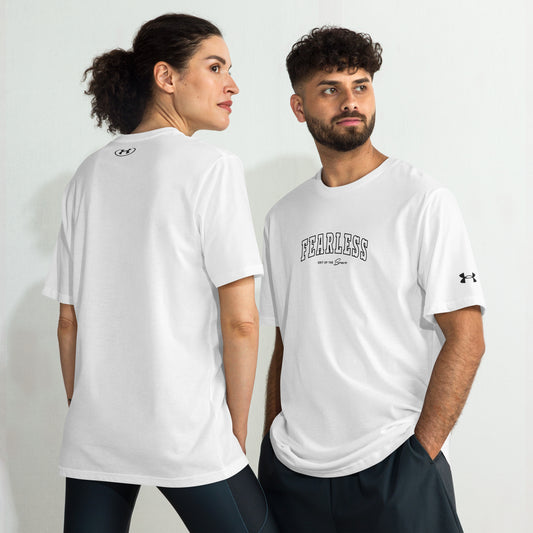
No logos scream for attention. No graphics chase virality. Instead, clean lines and deliberate cuts create clarity. The body is not decorated—it is anchored. Presence becomes the garment’s function.
This philosophy challenges fashion’s performative norm. Instead of clothing as spectacle, L’Obscurité proposes clothing as embodiment. It asks: What if getting dressed was not about becoming someone else, but about inhabiting yourself more fully?
5. The Community of Silence
Every brand builds a community, but L’Obscurité’s is distinct. Its wearers are not trend-chasers. They are seekers of alignment. They find power in silence, resonance in restraint.
For those long alienated by fashion’s spectacle, L’Obscurité offers belonging. Its community understands that minimalism is not lack but precision. They see black not as emptiness but as essence. They wear L’Obscurité not to be seen, but to be present.
This loyalty is fierce yet quiet. It does not manifest in viral campaigns or mass followings. It grows slowly, intentionally, through resonance rather than reach.
6. Labour as Ethic
Equally radical is L’Obscurité’s labour ethic. In an industry obsessed with scale, speed, and saturation, the brand resists. Its production is small-batch. Its drops are infrequent. It refuses the pressure to flood the market.
This is not scarcity marketing. It is fidelity—to design, to message, to wearer. Each garment is crafted with intention, released only when it is ready. In resisting scale, L’Obscurité resists waste. In slowing down, it honours presence.
This ethic positions the brand within a broader conversation about sustainability, but without cliché. It is not greenwashed marketing. It is simply refusal: refusal to compromise integrity for growth.
7. Minimalism as Protest
Minimalism in fashion is often misunderstood as aesthetic choice. For L’Obscurité, it is protest. Against excess. Against disposability. Against the demand for spectacle.
By stripping away logos, graphics, and colour, the brand strips away noise. What remains is silhouette, cut, presence. This is not lack—it is precision. It is a refusal to participate in fashion’s fantasy economy.
Minimalism here is not about decoration but about fidelity. It is about anchoring identity rather than transforming it. It is about returning to essence.
8. Presence as Radical
In a system that demands performance, presence itself becomes radical. L’Obscurité’s garments do not ask to be noticed. They ask to be inhabited. They do not demand transformation. They invite embodiment.
This is fashion as protest. Not through slogans or spectacle, but through silence. Presence becomes resistance. Black becomes language.
9. Beyond Fashion: A Cultural Statement
L’Obscurité is not only a fashion label. It is a cultural statement. It challenges the logic of hypervisibility, proposing instead a politics of presence. It critiques disposability by embodying fidelity. It resists spectacle by embracing silence.
In doing so, it offers a model not only for fashion but for living. A model of intentionality, of clarity, of refusal. A model where identity is not performed but inhabited.
10. Conclusion: The Whisper That Resonates
Fashion today is loud. But L’Obscurité whispers. And in that whisper lies potency.
This is not fashion as fantasy. It is fashion as presence. It is refusal as fidelity. It is black as essence.
In a culture addicted to spectacle, silence becomes radical. Presence becomes protest. And L’Obscurité becomes not just a label, but a philosophy.
Discover more at www.lobscurite.co.uk